Frontend Developer: Skills, Tools, Career Path & Future Scope
In today’s digital world, Frontend Developers play a crucial role in shaping how users interact with websites and web applications. Every button you click, every animation you see, and every form you fill out is crafted by a frontend developer. As businesses move online, the demand for skilled frontend developers continues to grow rapidly.
This blog will cover what a frontend developer is, key skills, tools and technologies, career opportunities, and future trends, making it a complete SEO-friendly guide for beginners and professionals alike.
Who Is a Frontend Developer?
A Frontend Developer is responsible for building the visual and interactive parts of a website or web application. They work on the client side, meaning everything users see and interact with in their browser.
Frontend developers convert design mockups (from tools like Figma or Adobe XD) into responsive, fast, and user-friendly interfaces using code. Their main goal is to ensure a smooth and engaging user experience across all devices.
Core Responsibilities of a Frontend Developer
A frontend developer’s daily tasks include:
-
Developing responsive website layouts
-
Writing clean, maintainable, and reusable code
-
Optimizing web performance and loading speed
-
Ensuring cross-browser compatibility
-
Implementing UI/UX designs accurately
-
Fixing bugs and improving user experience
-
Collaborating with backend developers and designers
Essential Skills for a Frontend Developer
1. HTML (HyperText Markup Language)
HTML is the backbone of web pages. A frontend developer must understand semantic HTML, accessibility, and proper document structure.
SEO Tip: Semantic HTML improves search engine visibility.
2. CSS (Cascading Style Sheets)
CSS is used to style websites. Modern frontend developers use:
-
Flexbox & Grid
-
Responsive design
-
Animations & transitions
-
Preprocessors like SCSS
Frameworks like Tailwind CSS, Bootstrap, and DaisyUI help speed up development.
3. JavaScript
JavaScript makes websites interactive. Core concepts include:
-
DOM manipulation
-
ES6+ features
-
Promises & async/await
-
Event handling
JavaScript is the most important skill for a frontend developer.
Popular Frontend Frameworks & Libraries
React.js
React is the most widely used frontend library. It allows developers to build fast and scalable user interfaces using components.
Vue.js
Vue is beginner-friendly and flexible, popular for smaller to medium projects.
Angular
Angular is a full-fledged framework used in enterprise-level applications.
SEO Keyword: frontend developer skills, frontend frameworks
Tools Every Frontend Developer Should Know
-
Version Control: Git & GitHub
-
Package Managers: npm, yarn
-
Build Tools: Vite, Webpack
-
Design Tools: Figma, Adobe XD
-
Testing Tools: Jest, Cypress
-
Browser DevTools: Chrome DevTools
These tools improve productivity and code quality.
Frontend Developer vs Backend Developer
| Frontend Developer | Backend Developer |
|---|---|
| Works on UI/UX | Works on server logic |
| Uses HTML, CSS, JS | Uses Node.js, Python, Java |
| Focuses on user interaction | Focuses on databases & APIs |
Many developers later become Full Stack Developers by learning both.
Career Path of a Frontend Developer
A typical frontend developer career path looks like this:
-
Junior Frontend Developer
-
Frontend Developer
-
Senior Frontend Developer
-
Lead Frontend Engineer / UI Architect
With experience, you can also move into roles like:
-
UI/UX Engineer
-
Full Stack Developer
-
Technical Lead
-
Product Engineer
Salary of a Frontend Developer
Frontend developer salaries vary based on location, experience, and skills.
-
India: ₹4–12 LPA
-
USA: $70,000–120,000 per year
-
Remote Jobs: Highly competitive and well-paid
React, performance optimization, and accessibility skills can significantly increase salary.
How to Become a Frontend Developer
Follow these steps to start your frontend developer journey:
-
Learn HTML, CSS, and JavaScript
-
Practice building responsive websites
-
Learn a framework like React
-
Build real-world projects
-
Create a strong portfolio website
-
Contribute to open-source projects
-
Apply for internships and jobs
Consistency and hands-on practice are key.
Future Scope of Frontend Development
Frontend development is evolving rapidly. Future trends include:
-
AI-powered UI development
-
Web performance optimization
-
Progressive Web Apps (PWA)
-
Server-side rendering (Next.js)
-
Accessibility-first development
The demand for frontend developers is expected to grow as businesses focus more on user experience.
Why Frontend Development Is a Great Career Choice
-
High demand across industries
-
Creative and technical work
-
Remote job opportunities
-
Continuous learning and growth
-
Strong community support
Frontend development combines creativity with logic, making it an exciting career option.
Conclusion
A Frontend Developer is the bridge between design and technology. With the right skills, tools, and mindset, frontend development offers a rewarding and future-proof career. Whether you are a beginner or an experienced developer, continuously improving your skills and staying updated with modern frameworks will help you stand out in this competitive field.
If you want to build beautiful, fast, and user-friendly web applications, frontend development is the perfect path for you.
End of Blog
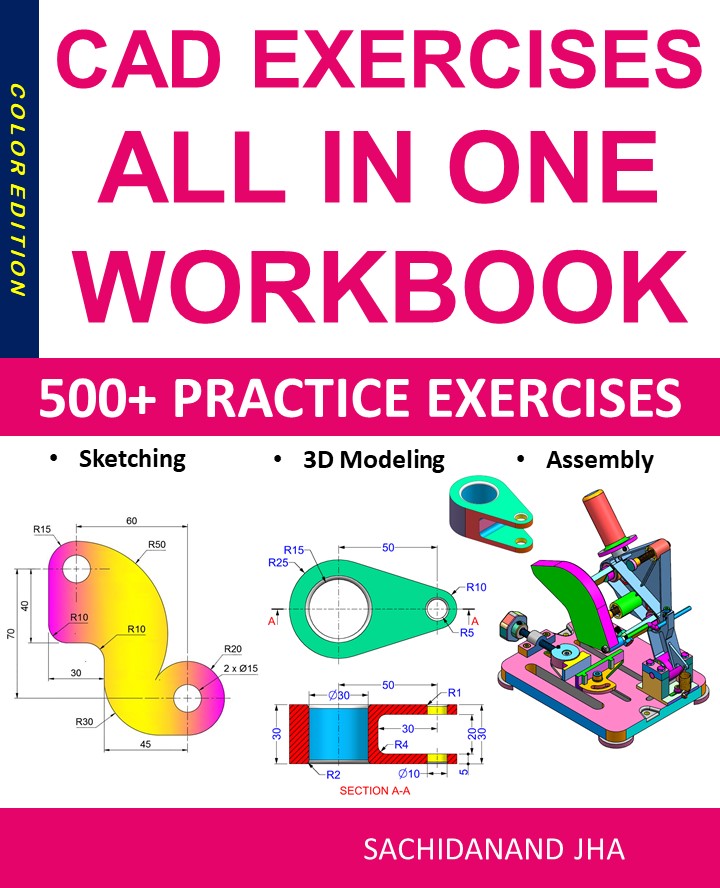
CAD EXERCISES All-in-One Workbook
500+ Practice Exercises to Master CAD Through Real-World Practice!
This all-in-one workbook is your ultimate resource to develop hands-on CAD skills using any CAD software.Whether you’re a student, engineer, hobbyist, or professional, this guide is designed to help you gain real design confidence through structured, practice-oriented exercises.
What’s Inside this Book:
- 200 2D Sketching Exercises – Build a strong foundation in dimension-driven 2D geometry and technical drawings
- 200 3D Modeling Exercises – Practice modeling real-world parts, from simple shapes to complex components.
- Multi-Part Assembly Projects – Understand how parts fit together and create full assemblies with detailed drawings
🎯 Why This Book?
- 500+ practice exercises following real design standards
- Designed for self-paced learning & independent practice
- Perfect for classrooms, technical interview preparation, and personal projects
- Covers 2D Sketching, 3D Modeling & Assembly Design in one workbook
- Trusted by 15,000+ CAD learners worldwide
Frontend Developer: Skills, Tools, Career Path & Future Scope
Frontend Developer: Skills, Tools, Career Path & Future Scope
In today’s digital world, Frontend Developers play a crucial role in shaping how users interact with websites and web applications. Every button you click, every animation you see, and every form you fill out is crafted by a frontend developer. As businesses move online, the demand for skilled frontend developers continues to grow rapidly.
This blog will cover what a frontend developer is, key skills, tools and technologies, career opportunities, and future trends, making it a complete SEO-friendly guide for beginners and professionals alike.
Who Is a Frontend Developer?
A Frontend Developer is responsible for building the visual and interactive parts of a website or web application. They work on the client side, meaning everything users see and interact with in their browser.
Frontend developers convert design mockups (from tools like Figma or Adobe XD) into responsive, fast, and user-friendly interfaces using code. Their main goal is to ensure a smooth and engaging user experience across all devices.
Core Responsibilities of a Frontend Developer
A frontend developer’s daily tasks include:
-
Developing responsive website layouts
-
Writing clean, maintainable, and reusable code
-
Optimizing web performance and loading speed
-
Ensuring cross-browser compatibility
-
Implementing UI/UX designs accurately
-
Fixing bugs and improving user experience
-
Collaborating with backend developers and designers
Essential Skills for a Frontend Developer
1. HTML (HyperText Markup Language)
HTML is the backbone of web pages. A frontend developer must understand semantic HTML, accessibility, and proper document structure.
SEO Tip: Semantic HTML improves search engine visibility.
2. CSS (Cascading Style Sheets)
CSS is used to style websites. Modern frontend developers use:
-
Flexbox & Grid
-
Responsive design
-
Animations & transitions
-
Preprocessors like SCSS
Frameworks like Tailwind CSS, Bootstrap, and DaisyUI help speed up development.
3. JavaScript
JavaScript makes websites interactive. Core concepts include:
-
DOM manipulation
-
ES6+ features
-
Promises & async/await
-
Event handling
JavaScript is the most important skill for a frontend developer.
Popular Frontend Frameworks & Libraries
React.js
React is the most widely used frontend library. It allows developers to build fast and scalable user interfaces using components.
Vue.js
Vue is beginner-friendly and flexible, popular for smaller to medium projects.
Angular
Angular is a full-fledged framework used in enterprise-level applications.
SEO Keyword: frontend developer skills, frontend frameworks
Tools Every Frontend Developer Should Know
-
Version Control: Git & GitHub
-
Package Managers: npm, yarn
-
Build Tools: Vite, Webpack
-
Design Tools: Figma, Adobe XD
-
Testing Tools: Jest, Cypress
-
Browser DevTools: Chrome DevTools
These tools improve productivity and code quality.
Frontend Developer vs Backend Developer
| Frontend Developer | Backend Developer |
|---|---|
| Works on UI/UX | Works on server logic |
| Uses HTML, CSS, JS | Uses Node.js, Python, Java |
| Focuses on user interaction | Focuses on databases & APIs |
Many developers later become Full Stack Developers by learning both.
Career Path of a Frontend Developer
A typical frontend developer career path looks like this:
-
Junior Frontend Developer
-
Frontend Developer
-
Senior Frontend Developer
-
Lead Frontend Engineer / UI Architect
With experience, you can also move into roles like:
-
UI/UX Engineer
-
Full Stack Developer
-
Technical Lead
-
Product Engineer
Salary of a Frontend Developer
Frontend developer salaries vary based on location, experience, and skills.
-
India: ₹4–12 LPA
-
USA: $70,000–120,000 per year
-
Remote Jobs: Highly competitive and well-paid
React, performance optimization, and accessibility skills can significantly increase salary.
How to Become a Frontend Developer
Follow these steps to start your frontend developer journey:
-
Learn HTML, CSS, and JavaScript
-
Practice building responsive websites
-
Learn a framework like React
-
Build real-world projects
-
Create a strong portfolio website
-
Contribute to open-source projects
-
Apply for internships and jobs
Consistency and hands-on practice are key.
Future Scope of Frontend Development
Frontend development is evolving rapidly. Future trends include:
-
AI-powered UI development
-
Web performance optimization
-
Progressive Web Apps (PWA)
-
Server-side rendering (Next.js)
-
Accessibility-first development
The demand for frontend developers is expected to grow as businesses focus more on user experience.
Why Frontend Development Is a Great Career Choice
-
High demand across industries
-
Creative and technical work
-
Remote job opportunities
-
Continuous learning and growth
-
Strong community support
Frontend development combines creativity with logic, making it an exciting career option.
Conclusion
A Frontend Developer is the bridge between design and technology. With the right skills, tools, and mindset, frontend development offers a rewarding and future-proof career. Whether you are a beginner or an experienced developer, continuously improving your skills and staying updated with modern frameworks will help you stand out in this competitive field.
If you want to build beautiful, fast, and user-friendly web applications, frontend development is the perfect path for you.
End of Blog
CAD EXERCISES All-in-One Workbook
500+ Practice Exercises to Master CAD Through Real-World Practice!
This all-in-one workbook is your ultimate resource to develop hands-on CAD skills using any CAD software.Whether you’re a student, engineer, hobbyist, or professional, this guide is designed to help you gain real design confidence through structured, practice-oriented exercises.
What’s Inside this Book:
- 200 2D Sketching Exercises – Build a strong foundation in dimension-driven 2D geometry and technical drawings
- 200 3D Modeling Exercises – Practice modeling real-world parts, from simple shapes to complex components.
- Multi-Part Assembly Projects – Understand how parts fit together and create full assemblies with detailed drawings
🎯 Why This Book?
- 500+ practice exercises following real design standards
- Designed for self-paced learning & independent practice
- Perfect for classrooms, technical interview preparation, and personal projects
- Covers 2D Sketching, 3D Modeling & Assembly Design in one workbook
- Trusted by 15,000+ CAD learners worldwide
CATIA Software: Complete Guide to Uses & Benefits in 2027
CATIA Software: The Complete Guide to Advanced CAD
CATIA is one of the most advanced and powerful CAD (Computer-Aided Design) software solutions in the world. Developed by Dassault Systèmes, CATIA is widely used in high-end industries such as aerospace, automotive, defense, and industrial equipment manufacturing. Its ability to handle complex surface modeling, large assemblies, and multi-disciplinary engineering makes it a cornerstone of modern product development.
In this comprehensive guide, we’ll explore what CATIA is, its key features, benefits, applications, and why it remains a top choice for enterprise-level design teams.
What Is CATIA?
CATIA (Computer Aided Three-Dimensional Interactive Application) is a professional CAD, CAE, and CAM software suite developed by Dassault Systèmes. It supports the entire product lifecycle—from concept design and engineering to manufacturing and maintenance.
CATIA is best known for:
-
Advanced 3D modeling capabilities
-
High-precision surface design
-
Large-scale assembly management
-
End-to-end product lifecycle support
CATIA is part of the 3DEXPERIENCE platform, enabling collaboration and data management across global teams.
Key Features of CATIA
CATIA offers an extensive range of tools tailored for complex engineering challenges.
1. Advanced Surface Modeling
CATIA excels in Class-A surface modeling, making it ideal for:
-
Automotive body design
-
Aircraft exteriors
-
Consumer product aesthetics
Its surface continuity and precision are unmatched in the CAD industry.
2. Parametric and Solid Modeling
CATIA supports robust parametric modeling, allowing engineers to manage design changes efficiently while maintaining design intent.
3. Large Assembly Design
CATIA can handle extremely large and complex assemblies, such as:
-
Aircraft structures
-
Automotive platforms
-
Industrial machinery
This makes it suitable for enterprise-scale projects.
4. Integrated CAE and CAM
CATIA integrates engineering analysis and manufacturing tools, enabling:
-
Structural analysis
-
Kinematic simulations
-
CNC machining preparation
5. PLM and Collaboration
Through the 3DEXPERIENCE platform, CATIA provides:
-
Centralized data management
-
Version control
-
Cross-team collaboration
Benefits of Using CATIA
Industry-Grade Precision
CATIA is designed for mission-critical industries where accuracy, safety, and compliance are essential.
End-to-End Product Development
From concept to production, CATIA supports the entire product lifecycle without relying on external tools.
Scalability for Enterprises
CATIA is ideal for large organizations managing thousands of parts and complex workflows.
Customization and Automation
Advanced scripting and customization options allow companies to automate repetitive design tasks.
Applications of CATIA
Aerospace Industry
CATIA is widely used to design:
-
Aircraft fuselages
-
Wings and structural components
-
Jet engines and interiors
Major aerospace manufacturers rely on CATIA for its precision and scalability.
Automotive Industry
CATIA is a standard tool for:
-
Vehicle body design
-
Powertrain development
-
Interior and exterior styling
Industrial Equipment
Manufacturers use CATIA to design heavy machinery, tools, and production systems.
Shipbuilding and Defense
CATIA supports complex naval and defense projects requiring large assemblies and strict standards.
Consumer Products
High-end consumer product companies use CATIA for premium design and surface quality.
CATIA vs Other CAD Software
CATIA stands apart from most CAD tools due to:
-
Superior surface modeling capabilities
-
Enterprise-level scalability
-
Deep PLM integration
-
Advanced multi-disciplinary workflows
While tools like SolidWorks and Fusion 360 are popular for mid-range design, CATIA dominates high-complexity, high-precision engineering environments.
CATIA Licensing and Cost
CATIA follows a modular licensing model:
-
Different workbenches for specific tasks
-
Enterprise-focused pricing
-
Licenses often bundled with 3DEXPERIENCE services
While expensive, CATIA’s capabilities justify the cost for large organizations.
Future of CATIA
CATIA continues to evolve with:
-
AI-driven design optimization
-
Enhanced cloud collaboration
-
Digital twin integration
-
Model-based systems engineering (MBSE)
These innovations ensure CATIA remains relevant in the era of smart manufacturing and Industry 4.0.
Final Thoughts
CATIA is not just a CAD tool—it is a complete product engineering platform. Its unmatched surface modeling, scalability, and lifecycle management capabilities make it indispensable for industries where precision and complexity are non-negotiable.
For organizations involved in aerospace, automotive, or advanced manufacturing, CATIA remains one of the most powerful design solutions available today.
End of Blog
CAD EXERCISES All-in-One Workbook
500+ Practice Exercises to Master CAD Through Real-World Practice!
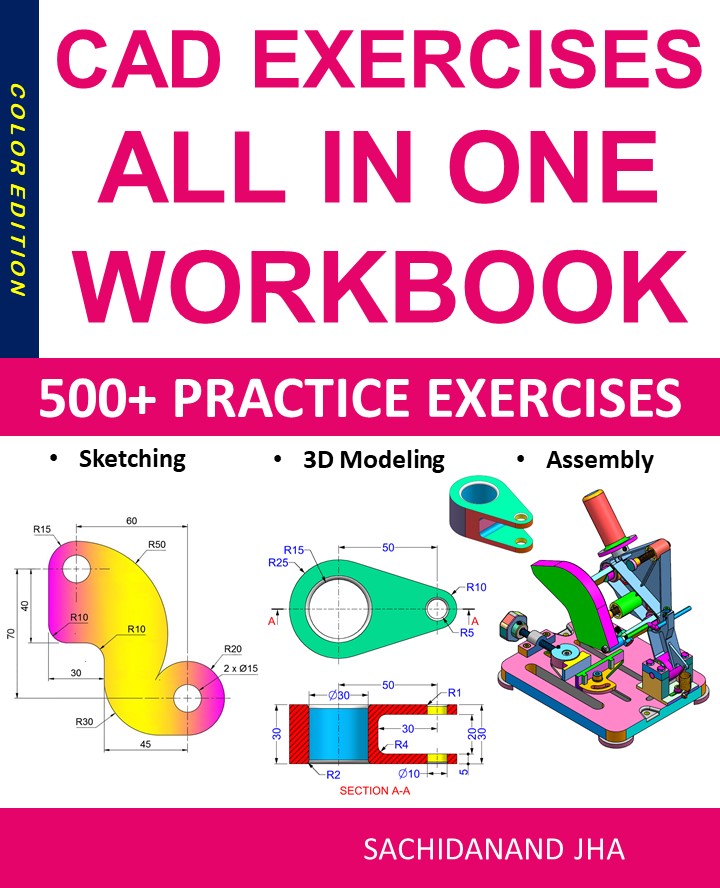
This all-in-one workbook is your ultimate resource to develop hands-on CAD skills using any CAD software.Whether you’re a student, engineer, hobbyist, or professional, this guide is designed to help you gain real design confidence through structured, practice-oriented exercises.
What’s Inside this Book:
- 200 2D Sketching Exercises – Build a strong foundation in dimension-driven 2D geometry and technical drawings
- 200 3D Modeling Exercises – Practice modeling real-world parts, from simple shapes to complex components.
- Multi-Part Assembly Projects – Understand how parts fit together and create full assemblies with detailed drawings
🎯 Why This Book?
- 500+ practice exercises following real design standards
- Designed for self-paced learning & independent practice
- Perfect for classrooms, technical interview preparation, and personal projects
- Covers 2D Sketching, 3D Modeling & Assembly Design in one workbook
- Trusted by 15,000+ CAD learners worldwide